Teeth loss can impact much more than just appearance. Over time, you might observe:
Dental Family Beaumaris is a team of cosmetic dentists in Beaumaris that families in the area have trusted for years to help them get their smiles back. Our team often sees patients who aren’t sure if implants are the best option.
Every day, we help patients at our cosmetic dental clinic in Bayside to choose the best option for them. This blog post talks about the main signs that you might be ready for dental implants even when you feel you’re not.
The most obvious sign is losing teeth. A missing tooth does more than just leave a gap. It changes how your mouth functions.
When a tooth is lost:
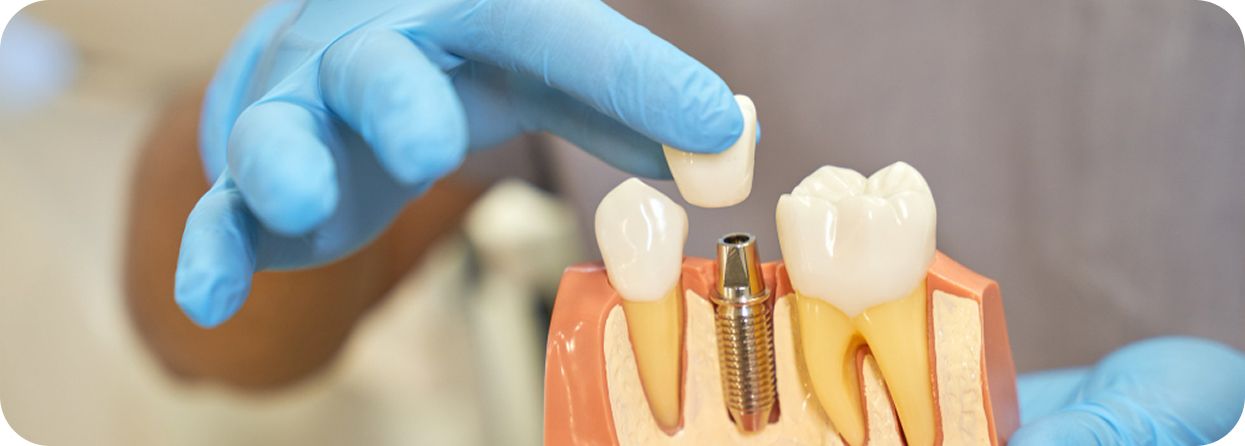
This loss of bone starts to happen very quickly. Bone density can even go away in the first year after losing a tooth. Dental implants take the place of both the visible tooth and the root structure. This helps keep the jawbone healthy by restoring chewing function and keeping it active.
After losing teeth, most people try dentures or bridges for the first time. These treatments can help for a short time, but they often have problems.
Patients commonly report:
Dentures don’t sit inside the bone; they sit on top of the gums. This can make chewing strength much weaker than it is with real teeth.
Replace Missing Teeth With Confidence
Implants fix this problem because they attach directly to the jawbone. Many people who want dental implants in Beaumaris switch from dentures because they are more stable.

Bone loss is one of the most important signs that you may need implants.
Without a tooth root stimulating the bone, the body starts to break down the bone tissue that isn’t being used. This can cause:
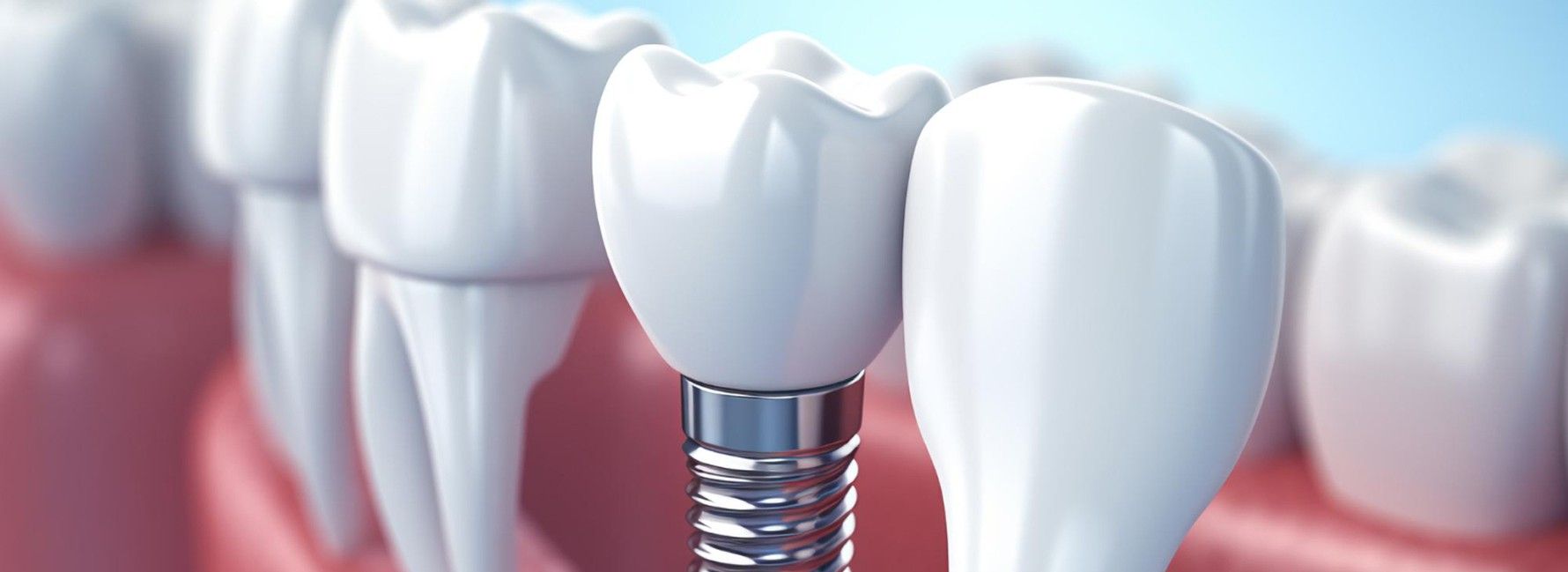
Osseointegration is the biological process that allows dental implants to connect with bone. Bone cells grow on the surface of the implant, making it a stable base similar to a natural tooth root.
This stimulation supports the preservation of facial structure and bone density.
Many restorative dental treatments have limited lifespans.
Average longevity:
Treatment | Typical lifespan |
Dentures | 5–8 years |
Bridges | 10–15 years |
Implants | 20+ years |
Implants are widely considered the most durable solution for tooth replacement. With good oral hygiene and routine dental care, they can last decades.
For patients seeking a permanent and reliable solution, implants often become the preferred option.
Traditional bridges require dentists to reshape neighbouring teeth so they can support the replacement tooth. This involves removing healthy enamel.
If surrounding teeth are healthy, dentists often recommend implants instead. The implant replaces the missing tooth independently without affecting nearby teeth.
In some restorative cases, dentists may recommend dental crowns in Beaumaris to strengthen weakened teeth alongside implant treatment when required.
Healthy gums are essential for implant success.
Dentists assess several factors before recommending implants:
If gum disease is present, treatment must occur first. Modern clinics also use regenerative techniques to support healing after implant surgery.
Therapies such as concentrated growth factors can assist tissue repair and recovery after surgical procedures.

One of the early functional signs of tooth loss is difficulty eating certain foods.
Patients often avoid foods like the following:
Reduced chewing ability can impact nutrition and digestion. Dental implants restore bite strength much closer to natural teeth, allowing patients to eat normally again.
Many people do not realise that tooth loss affects facial appearance.
As the jawbone shrinks:
Implants help maintain the bone structure of the jaw, which supports the natural shape of the face.
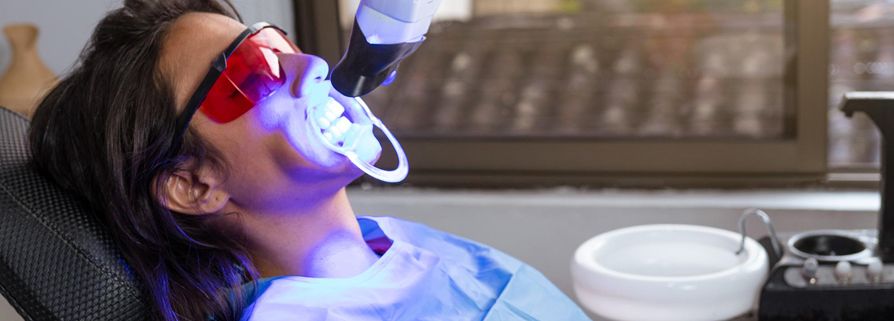
For patients also interested in aesthetic improvements, treatments such as cosmetic teeth whitening in Beaumaris can complement implant restorations by improving the colour and brightness of surrounding natural teeth.
Know If Dental Implants Are Right For You
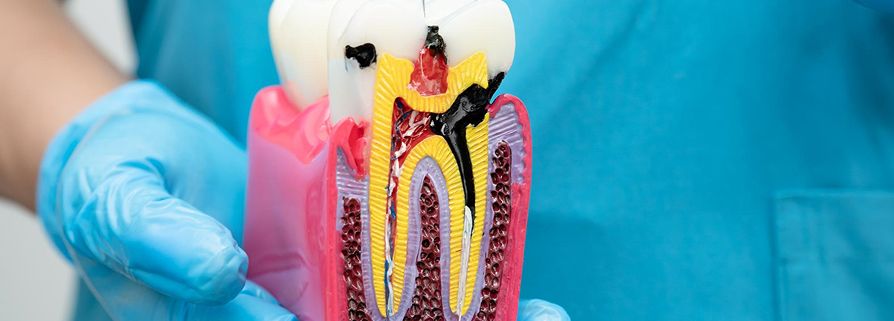
Sometimes a tooth becomes too damaged due to trauma, severe decay, or infection.
In these situations, dentists may need to perform tooth extraction in Beaumaris before placing an implant.
After healing, an implant can replace the missing tooth root and restore both appearance and function.
This staged approach allows dentists to rebuild the structure of the mouth in a predictable and long-lasting way.

Modern implant restorations are designed to closely match natural teeth.
Each implant restoration typically includes:
When completed correctly, implants look and function very similarly to natural teeth.
Missing teeth can gradually affect chewing ability, jawbone health, and facial appearance. Recognising the early signs helps patients choose the right treatment before further complications develop.
At The Dental Family Beaumaris, we understand how to assess implant suitability and restore healthy smiles. As trusted cosmetic dentists in Beaumaris, we help patients find long-lasting solutions for missing teeth.
If you are unsure whether implants are right for you, our team at our cosmetic dental clinic in Bayside can assess your oral health and discuss suitable options. Contact us today to book a consultation.
Dental implant treatment usually takes between 3-6 months. This includes implant placement, healing time for bone integration, and placement of the final crown. In some cases involving bone grafting or complex restorations, the timeline may extend slightly.
Most patients report minimal discomfort during implant placement. The procedure is performed under local anaesthesia, so you should not feel pain during surgery. Mild swelling or soreness may occur for a few days after the procedure and is usually manageable with simple medication.
Dental implants are designed to be long-lasting. With proper oral hygiene, routine dental visits, and healthy gums, implants can last 20 years or more. Many patients keep their implants for decades without needing replacement.
Good candidates generally have healthy gums, adequate jawbone density, and good overall health. A dentist will assess oral hygiene, bone structure, and medical history before recommending implants as the best treatment option.