Picking the wrong orthodontic treatment can waste months and cost far more than expected. Many patients delay the decision because comparing both options feels genuinely difficult. If that sounds familiar, you are likely dealing with one or more of these concerns:
At The Dental Family Beaumaris, our team has helped patients across all age groups work through this exact decision. As a trusted family dentist in Bayside, we combine modern diagnostics with personalised planning to match each patient to the right path forward. Read on to understand how both treatments work, what each one handles well, and what most people forget to ask before they start.
Most patients can use either Invisalign or traditional braces to straighten teeth and correct bite problems. Braces give you more control over more complicated cases, while Invisalign is removable and invisible. The best option will depend on your dental condition, your daily habits and your treatment goals and should be assessed by a qualified family dentist in Bayside, such as The Dental Family Beaumaris.
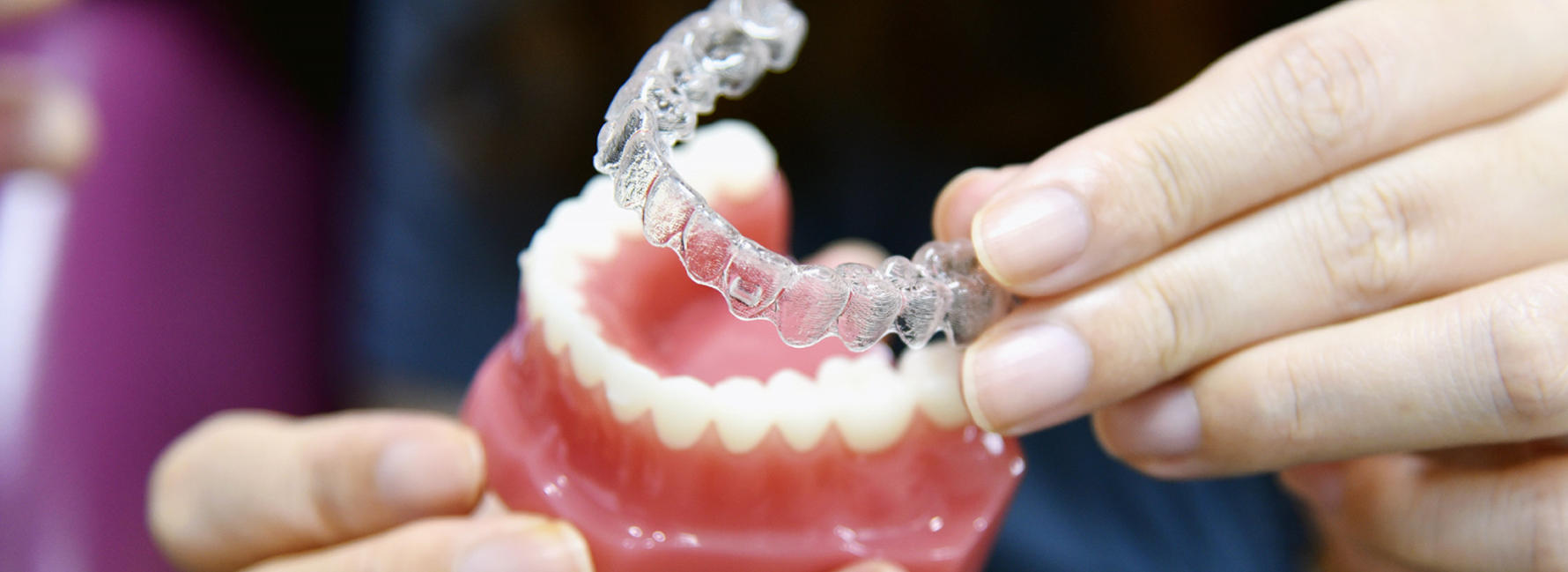
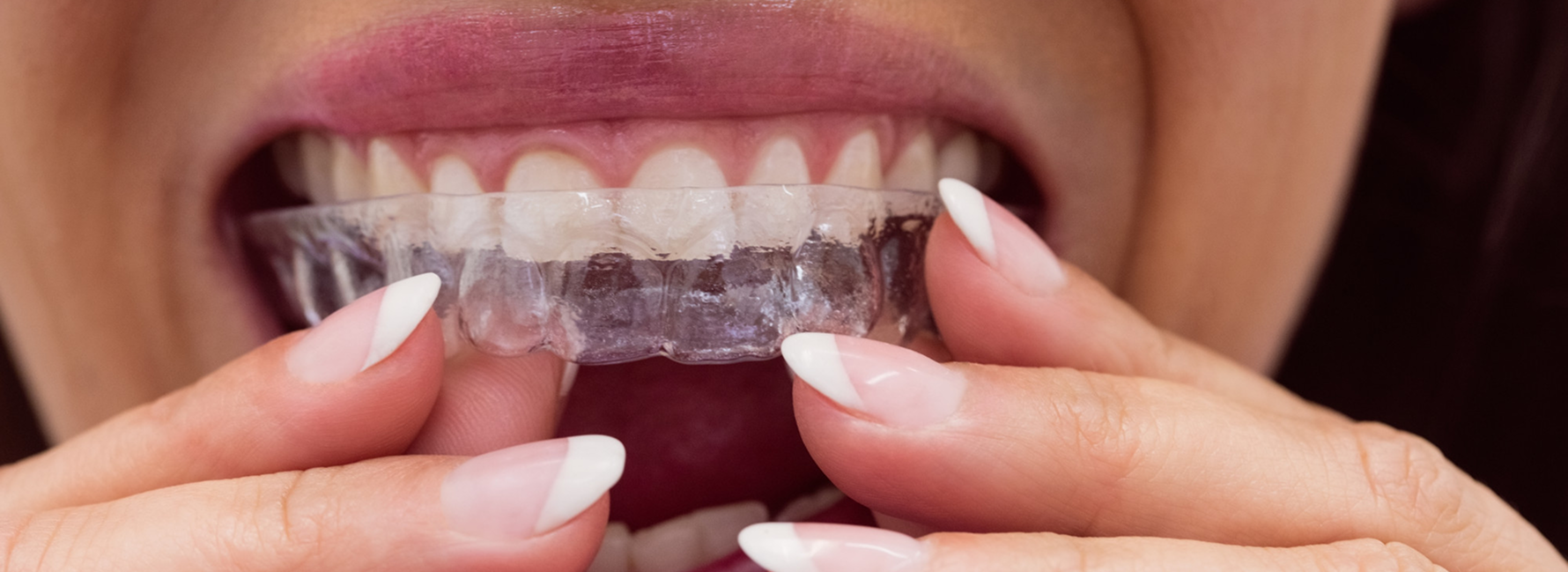
Each system moves the teeth differently. Invisalign works through a series of custom clear aligners, with each tray moving teeth a little bit closer to the desired position. Traditional braces involve attaching metal brackets and wires directly to your teeth, and they stay in place from the first appointment to the last.
Patients looking into holistic invisalign treatment often prefer aligners because oral hygiene routines stay largely unchanged. No brackets get in the way of brushing or flossing. With braces, that is not a concern since they stay bonded in place and work around the clock without any input from the patient. Clinically, both systems apply the same mechanism: controlled, consistent pressure that moves teeth through the jaw over time.
Build Confidence With A Treatment Plan Made For You
Both options address crowding, spacing, and bite concerns. Where they part ways is in how much clinical complexity each can handle reliably.
Modern Invisalign systems treat the following:
Traditional braces are often recommended for:
One thing most online comparisons leave out is movement predictability. Certain shifts are hard to achieve consistently with removable aligners alone. Digital scans carried out during your assessment help determine whether invisible aligners in Beaumaris will get you where you need to go or whether braces offer a more reliable route.

Removable aligners do make eating and cleaning simpler, but convenience is not the whole picture. Aligners need to stay in for 20 to 22 hours a day. Falling short of that regularly pushes out your treatment timeline.
Braces avoid that variable entirely since they never come off. What orthodontic providers see regularly is patients underestimating just how quickly wear hours disappear. A work lunch here, a dinner out there, and suddenly the weekly tally falls short. Talking through your daily routine with an invisalign dentist in Melbourne matters just as much as reviewing your tooth alignment. Choosing an option that does not suit your schedule will cost you time either way.
Day-to-day, aligners involve fewer adjustments to how you live. Eating is simple since the trays come out beforehand, meaning no foods are restricted. Your dental hygiene routine stays essentially the same as before treatment.
Braces ask more of you on both fronts. Foods that are hard, sticky, or chewy risk snapping a bracket or distorting a wire, so patients need to adjust their diet. For families who visit a children’s dentist in Beaumaris, fixed braces are often the more practical choice for younger patients.
A child who struggles to keep aligners in consistently will do better with a system that works without relying on their cooperation. Whichever option you consider, the one that slots into your actual life is usually the one that delivers results.
Think past the finish line before you start. Getting teeth straight is not where treatment ends. Both Invisalign and braces require retainers afterwards, and skipping that step risks losing the result you worked for.
A few other things are worth weighing up carefully:
Some patients also need other dental issues sorted out before orthodontics can begin. Anyone managing pain or recent dental trauma may need to visit an emergency dentist in Bayside first. Picking that up early in the assessment process prevents treatment delays down the track.
Discover The Best Orthodontic Option For Your Needs
Choosing between Invisalign and braces rarely comes down to one deciding factor. Both treatments can produce strong outcomes when they are properly matched to the patient and the case. What actually determines the result is pairing the right system with your dental complexity, your routine, and your commitment to following through.
With years of experience as a family dentist in Bayside, The Dental Family Beaumaris takes time to properly assess each patient before any recommendation is made. Get in touch with our team today to find out which orthodontic option is right for your smile.
Yes. There are Invisalign options that cater to teenage patients. Good results depend a lot on wearing the aligners all the time and attending the check-ups when you are supposed to. Depending on their habits and the nature of their orthodontic case, some teens are good candidates while others do better with fixed braces.
Digital scans provide clinicians with a clear picture of the position of the teeth, the relationship of the bite and what the treatment needs to achieve. They help to determine whether aligners or braces are more suitable and can identify problems before the start of treatment so that the chances of unwanted changes during treatment are minimised.
Both should be checked regularly, but what happens at each visit is different. The Invisalign appointments are just to check progress on the aligners. Braces visit wire adjustment. The frequency of your visits will depend on your particular case and where you are in the progression of treatment at each stage.
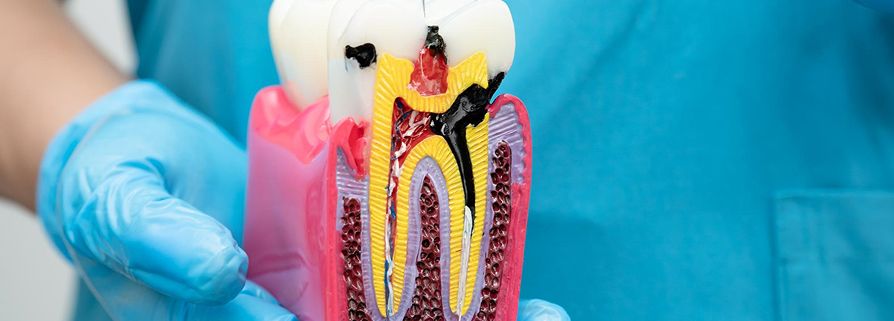
Straight teeth are easier to clean thoroughly and less likely to hold plaque buildup that can help prevent gum problems down the road. Fixing bite problems also helps to spread the forces of chewing more evenly, to prevent uneven wear on teeth and to promote better dental function well after treatment is finished.