Tooth damage rarely happens overnight. The habits most likely to cause real harm are the ones that feel completely harmless, repeated dozens of times a day, every day, until the damage becomes hard to ignore.
Habits that quite often go unnoticed until real damage has set in include:
At The Dental Family Beaumaris, a trusted professional dentist in Beaumaris, we regularly help Bayside families spot these warning signs before they turn into more involved dental treatment. Many of these habits are entirely preventable once you understand what to look for. This guide walks through five of the most common ones and what you can do to reduce the risk.
There are many common habits that can slowly damage your teeth without you even knowing it. Over time, acidic drinks, brushing too hard, teeth grinding, snacking too much, and using your teeth as tools can all cause enamel erosion, gum recession, tooth wear, and cavities. These issues will be detected by routine dental examinations with a trusted professional dentist in Beaumaris. Consider reaching out to experts such as The Dental Family Beaumaris, who will assess your oral health before it develops more complex issues.
Frequent sipping gives your teeth very little time to recover between acid exposures.
Soft drinks, sparkling water, sports drinks, fruit juice, wine, lemon water, and coffee can all shift the acid balance in the mouth. The concern here goes beyond what you are drinking. It also comes down to how often your teeth are being exposed to it throughout the day.
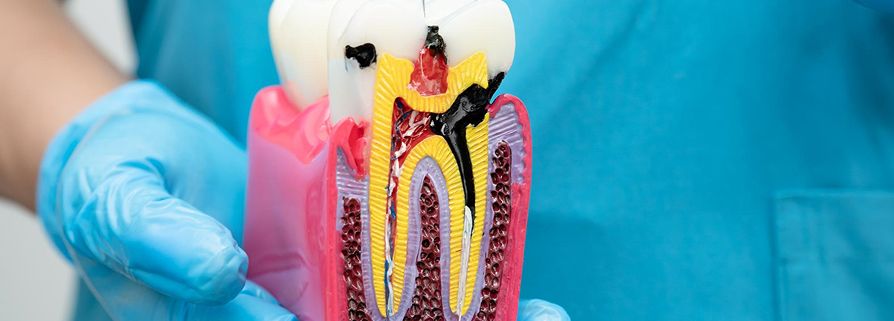
When you sip an acidic drink over several hours, saliva struggles to keep up with neutralising the acids between each exposure. Over time, this kind of repeated contact may contribute to enamel erosion, increased sensitivity, surface staining, and a noticeably thinner or duller appearance on the tooth surface.
To reduce the impact:
If you are already noticing sensitivity, edges that look slightly transparent, or yellowing near worn areas, it is worth having your enamel assessed during your next dental examination.
Keep Your Smile Healthy With Preventive Dental Care

Brushing harder does not mean brushing more effectively. Plaque is a soft deposit and does not require aggressive scrubbing to remove. Using too much pressure, a hard-bristled toothbrush, or a harsh back-and-forth motion can gradually strip away tooth enamel and irritate the gum tissue along the way.
Dentists quite often see this show up as notching or wear near the gumline. Patients may not notice it happening at first, but over time it can lead to sensitivity, gum recession, and exposed root surfaces that were never meant to be in contact with the mouth environment.
Signs you may be brushing too hard include:
A safer way is a soft-bristled toothbrush, gentle circular movements and a fluoride toothpaste that suits your needs. If you use an electric toothbrush, let the brush head do the work and don’t press hard against the teeth.
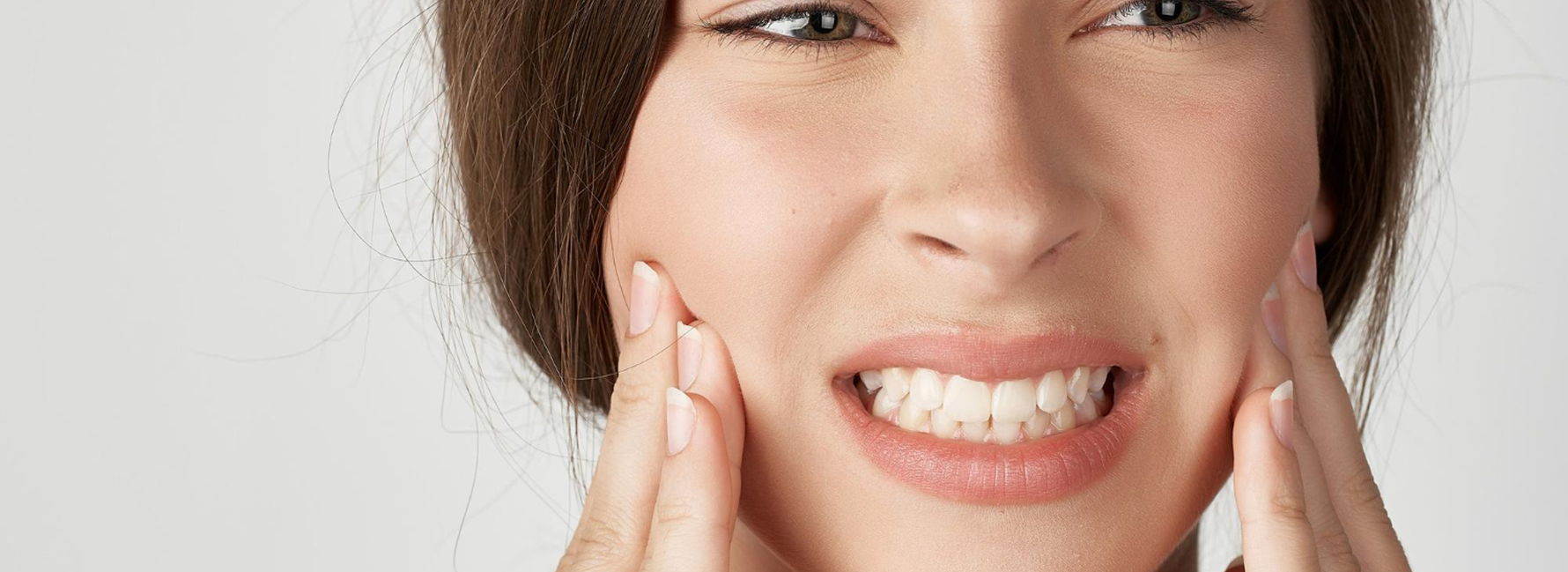
Teeth grinding, also known as bruxism, places sustained and often significant pressure on both teeth and jaw joints.
Many people grind or clench during sleep and have no awareness it is happening. Others clench during the day when concentrating, feeling stressed, driving, exercising, or sitting at a screen for extended periods.
Over time, grinding may contribute to:
One of the more difficult aspects of grinding is that early damage is quite often invisible to the patient. A dentist may pick up subtle wear patterns, hairline cracks, or bite changes before any symptoms become obvious during daily life.
In some situations, patients who present for treatment such as a root canal in Beaumaris may also have underlying cracks, wear patterns, or long-term pressure issues that need to be factored into their overall care plan. Addressing the cause alongside the symptom tends to produce better long-term outcomes.
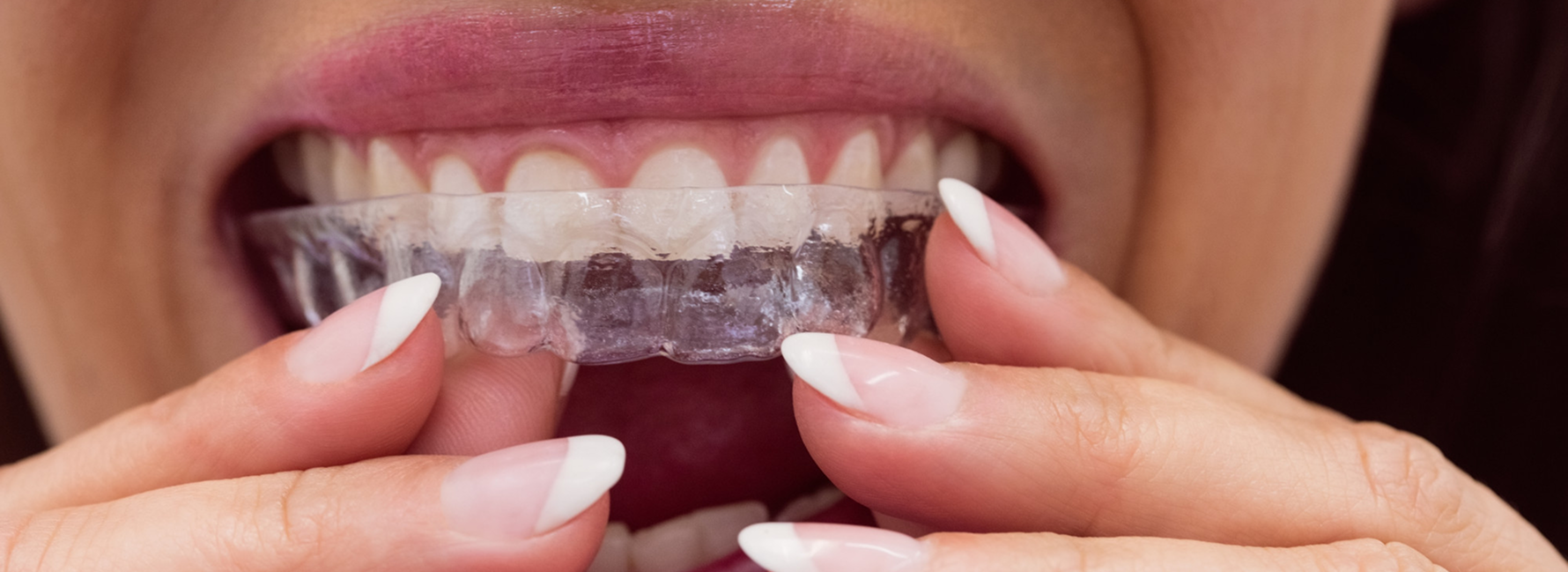
If you wake with jaw tension, morning headaches, or teeth that feel sensitive for no clear reason, a dental assessment can help determine whether grinding is a contributing factor. Depending on the cause and severity, options may include monitoring, jaw relaxation strategies, repairing affected teeth, or a custom-fitted splint.
Frequent snacking can raise cavity risk considerably, even when the foods involved seem reasonably healthy.
Every time you consume foods containing sugars or refined carbohydrates, bacteria in the mouth produce acids that work against enamel. Your mouth needs time between eating occasions for saliva to neutralise those acids and support the natural remineralisation process.
This is why grazing across the day tends to cause more harm than many people realise. Dried fruit, crackers, muesli bars, sweetened yoghurt, biscuits, and sticky snacks can all increase the risk when eaten repeatedly throughout the day.
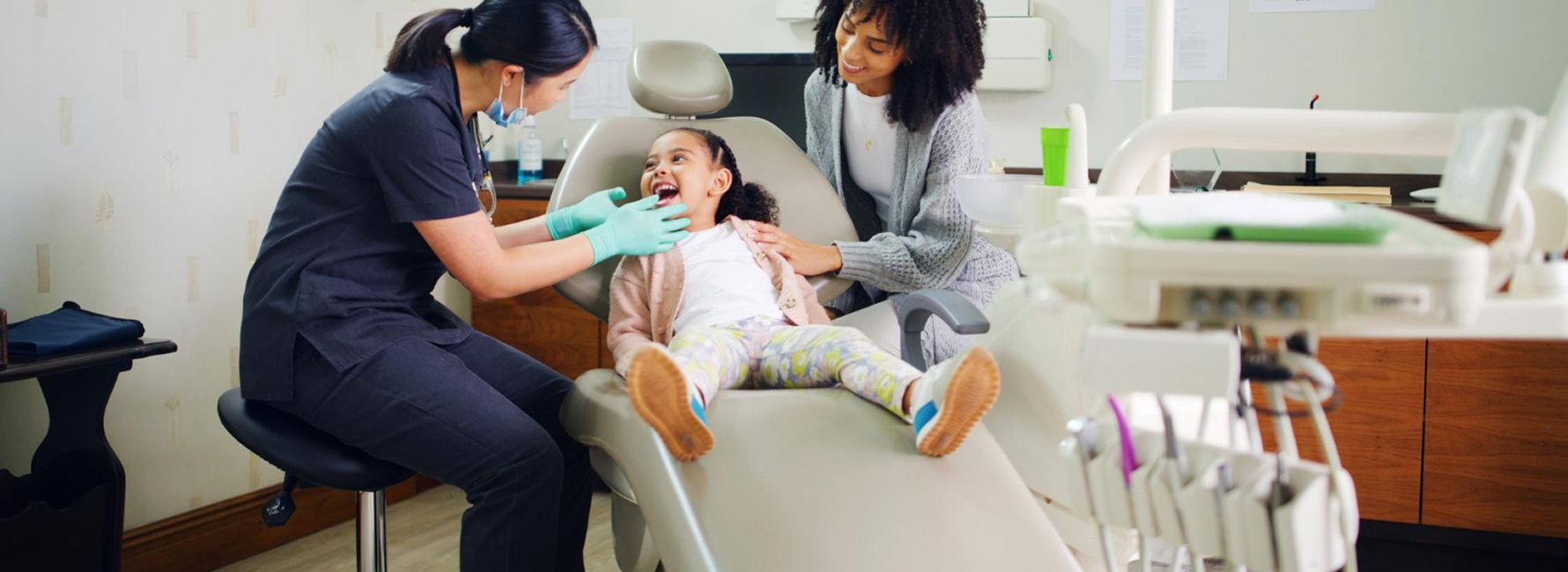
This is particularly relevant for families accessing kids dentistry services in Bayside, because children can develop decay even when brushing habits are reasonable if they are constantly grazing or sipping sweet drinks between meals.
Some effective adjustments are as follows:
Small changes in the snacking of children can make a big positive difference to their oral health in the long term.
Teeth are made for biting and chewing food. But they’re not for opening packages, ripping tape, holding objects, cracking hard objects, or biting fingernails. This way, you’re putting strain on structure that was never designed for those tasks.
Chipped enamel, broken fillings and cracked teeth can be unintended results of using your teeth as tools. Even if a tooth does not break immediately, continuous strain can weaken the internal structure of the tooth over time and cause problems that show up later.
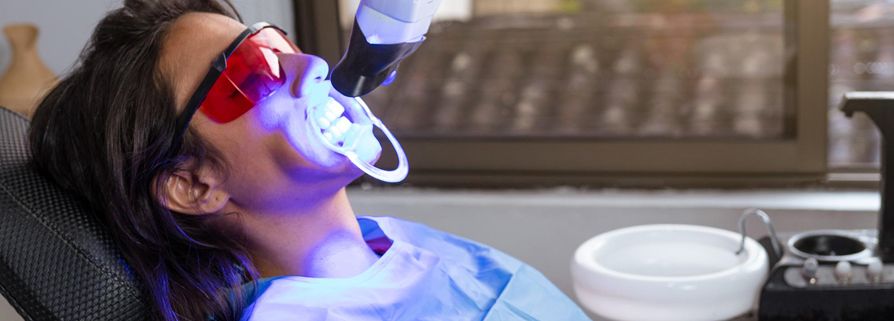
Another habit worth flagging is reaching for whitening products without understanding what is actually causing the staining first. Some surface stains can be improved by professional cleaning or guided teeth whitening in Beaumaris. Other discolouration may be related to the use of enamel, dietary habits, ageing, old restorations, or underlying oral health conditions that need to be addressed first.
Unsupervised or excessive whitening can lead to sensitivity or gum irritation, particularly when enamel is already thinned or worn. A professional assessment before starting any whitening course helps confirm whether whitening is appropriate and whether other care should come first.
If a tooth is chipped, worn, stained, or sitting unevenly, a cosmetic dental clinic in Bayside can assess both the appearance and the function of that tooth together. The best cosmetic outcome quite often starts with understanding what caused the issue in the first place.
You should book a dental check-up if you notice:
Many of these concerns are considerably easier to manage when they are caught early. Regular dental visits give your dentist the opportunity to monitor enamel wear, gum health, bite pressure, and cavity risk before symptoms reach a point where more involved treatment becomes necessary.
Give Your Teeth The Care They Deserve Every Day
Most dental problems develop gradually over time. Habits such as sipping acidic drinks throughout the day, brushing with too much force, grinding, frequent snacking, using teeth as tools, and overusing whitening products can each quietly affect enamel, gum tissue, and overall tooth structure across months and years.
As a trusted professional dentist in Beaumaris, The Dental Family Beaumaris helps patients understand what is happening in their mouth and how to protect their teeth for the long term. If you have any concerns about sensitivity, tooth wear, grinding, staining or your family’s oral health habits, our team can provide personalised advice and preventive care for your situation. Contact us today to schedule an appointment.
No. Enamel, once gone, cannot be regenerated. Preventive care focuses on protecting what is left by reducing acid exposure, improving brushing technique, and using fluoride-based approaches when appropriate.
Common signs include waking up with pain or headaches in the jaw, worn down tooth surfaces, broken enamel, unexplained sensitivity or a partner hearing grinding noises while sleeping. A dentist will often see the signs of grinding in a routine examination before the patient has any symptoms at all.
Sugar-free drinks might help reduce your risk of cavities by limiting your exposure to sugar, but many also contain acids that can contribute to enamel erosion over time. Still the best everyday drink between meals, and the safest for teeth is water.
The better approach is to wait at least 30 minutes after acidic food or drink before brushing. First rinse with water to allow saliva time to begin neutralising acids and to lessen the likelihood of scrubbing softened enamel.
Most adults should have a dental exam at least once or twice a year, depending on their individual risk factors. Those with grinding habits, sensitivity, gum recession, frequent intake of acidic drinks, or a history of decay may need more regular monitoring.