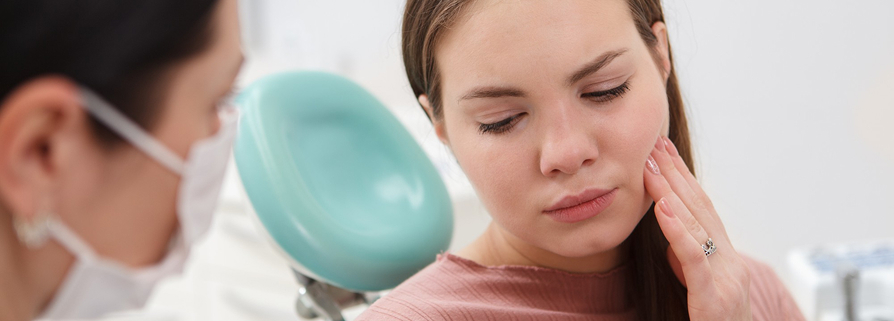
Jaw pain can make everyday life hard without you even realising it. People often ignore these symptoms until they start to get in the way of everyday activities. Issues like pain while chewing, stiffness in the morning, or headaches near the temples are usually overlooked, but they can be signs of TMJ.
The Dental Family Beaumaris is a trusted general dentist in Beaumaris with years of experience treating jaw problems. We often treat patients who aren’t sure if their pain is TMJ or something else. In this blog, we’ll learn what TMJ is and how to identify it.
Key movements like speaking, chewing, and yawning are controlled by the temporomandibular joint, which joins the lower jaw to the skull. When this joint or the surrounding muscles are under stress or not functioning correctly, it results in temporomandibular disorders (TMD).
Problems with the TMJ are mechanical in nature. They frequently arise as a result of postural strain, stress, teeth grinding, muscle overuse, or bite imbalance.
Patients seeking TMJ treatment in Beaumaris frequently report symptoms that vary rather than remain stable, serving as a significant clinical indicator of joint or muscle involvement.
The temporomandibular joint is not the only place where jaw pain comes from. Professional assessment is necessary, as many dental and structural problems can cause the same symptoms.

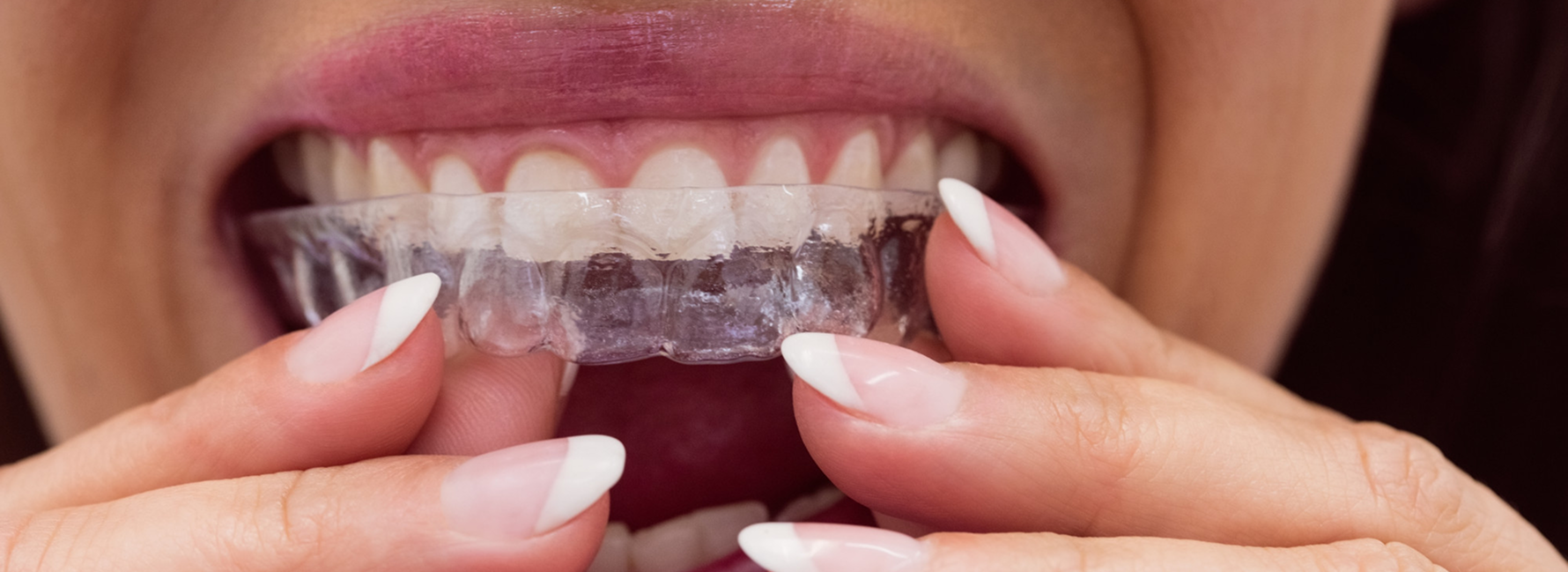
Bruxism puts too much stress on the jaw muscles and joints, which can cause muscle pain and tension headaches.
Signs commonly include:
TMJ dysfunction and bruxism often coexist, but they can also occur separately.
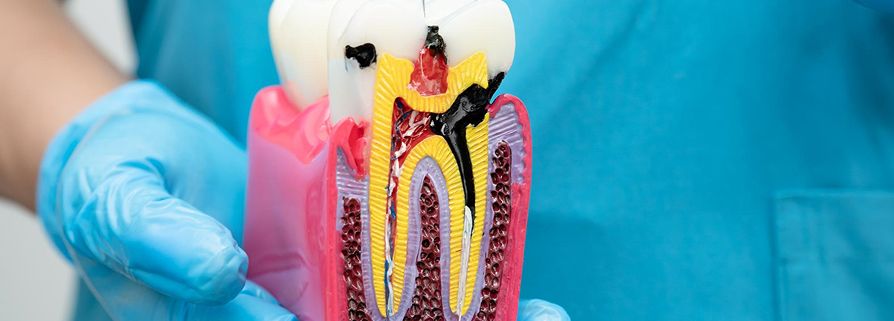
Severe tooth infections can cause pain in the jaw, ear, or neck. This pain is different from TMJ pain because it is usually constant and gets worse over time.
Key warning signs:
In these situations, consider seeking immediate assistance from a professional dentist in Beaumaris.
Suffering jaw pain or sensitivity for a while? Stop ignoring it now!
Partially erupted or impacted wisdom teeth can cause inflammation in nearby tissues and make jaw movement difficult.
Some signs and symptoms are:
Inflamed sinuses can cause pressure that resembles pain in the upper jaw or teeth.
Some of its common signs are:
Instead of the jaw joint, the upper jaw is typically affected by this pain.
Standard X-rays may not be able to detect underlying bone inflammation or poorly healed extraction sites, which can be the cause of persistent jaw pain.
Symptoms often include:
Never treat jaw pain based on what you feel. Treating TMJ pain is different from treating infections, bites, or bones. Treating the wrong cause can delay and complicate recovery.
A comprehensive jaw assessment typically includes:
Looking for an Effective TMJ Treatment in Beaumaris?
For Spot-On Treatment and Lasting Relief, Contact Us Today.
Consider booking an assessment if:
Early intervention often enables non-invasive treatment.
Jaw pain is rarely simple. Despite their prevalence, TMJ disorders are not the only cause. A thorough assessment determines structural, muscular, joint, or dental issues.
As a general dentist in Beaumaris with years of experience treating TMJ issues and jaw pain, we offer precise diagnosis. Connect with our team of professional dentists in Beaumaris to schedule a thorough jaw evaluation and get long-lasting relief.