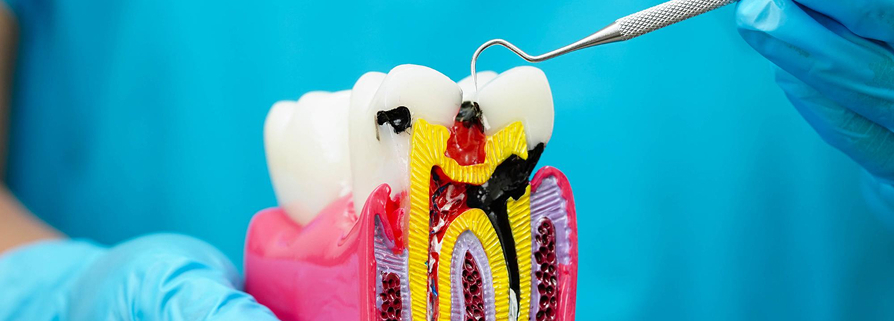
Dental pain often starts out small, like sensitivity, discomfort, or swelling around a tooth. If you don’t treat it, the infection inside the tooth can spread deeper into the root canal system and the bone around it. This could result in:
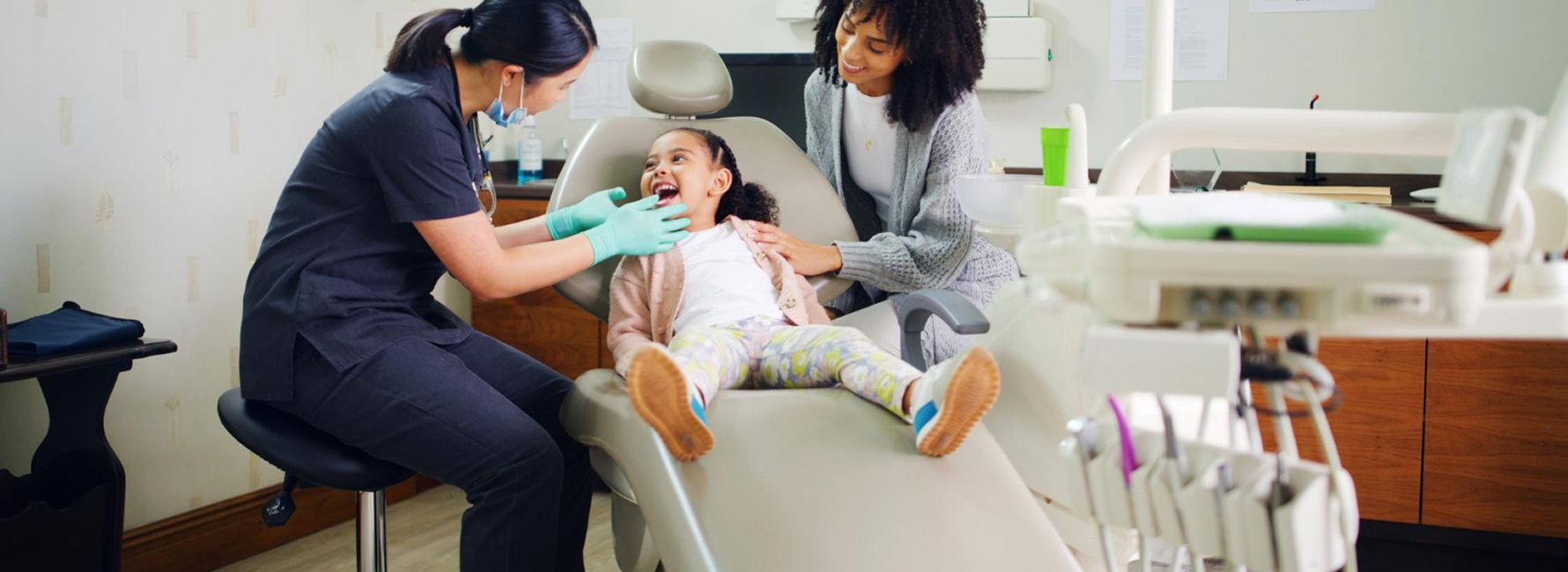
At The Dental Family Beaumaris, we have been working as experienced endodontists in Beaumaris. We use the latest dental technology to make treatment more accurate, comfortable, and predictable for Bayside families. In this article, we understand how technology plays a vital role in making dental treatment easier.
A modern endodontist in Beaumaris uses technologies like digital imaging, rotary instruments, laser dentistry, ozone therapy, and 3D scanning to make root canals more accurate and less painful and help them heal faster. Advanced endodontics aims to save natural teeth and make treatment more comfortable for Australians.
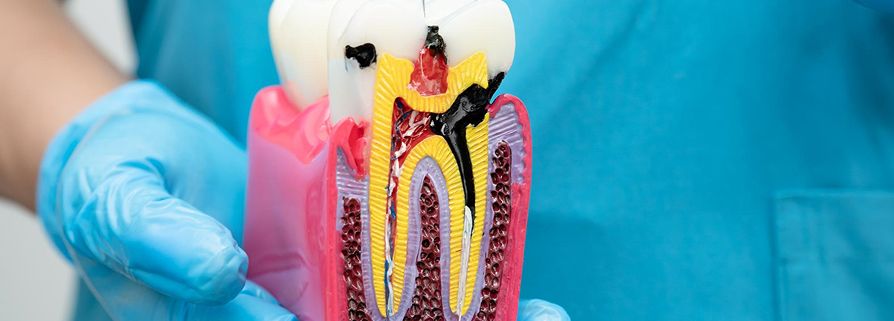
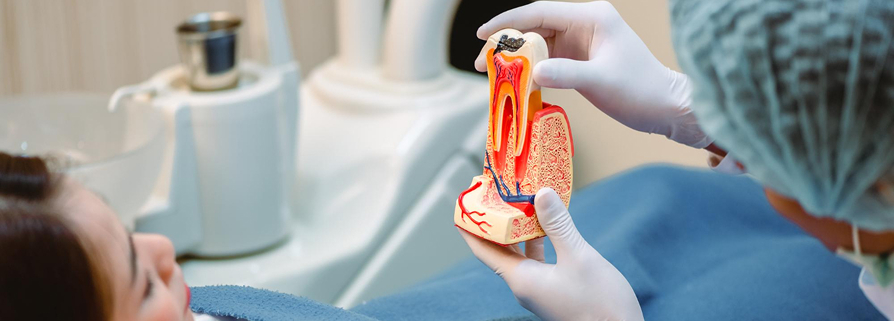
Endodontics is the branch of dentistry that deals with issues inside of the tooth, especially the dental pulp that is infected or inflamed. Dentists earlier used to have trouble seeing clearly since traditional root canal procedures lacked the facilities that advanced treatment offers today. Modern endodontic care today uses the following:
These new technologies offer more accuracy while maintaining the healthy structure of the teeth. Modern technology helps shorten the time it takes to do a root canal in Beaumaris and makes the long-term results better.
Understand Tooth Pain Before It Gets Worse
Digital imaging and CBCT scanning are two of the biggest changes in modern endodontics.
Unlike traditional 2D X-rays, CBCT imaging makes a three-dimensional picture of:
This is important because untreated hidden canals are one of the main reasons why root canal treatments don’t work.
Modern root canal treatment often uses nickel-titanium rotary instruments instead of the older approach. These tools:
Flexibility is very important, as root canals are naturally curved and narrow. Rotary systems allow dentists to clean infected areas better without hurting the teeth. This is why modern endodontics are much less invasive than older methods.
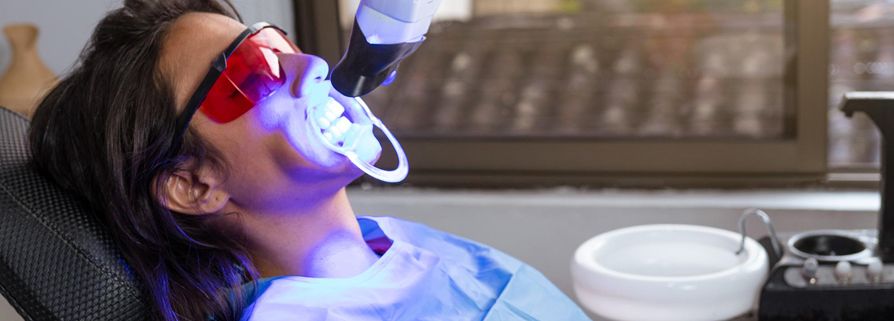
More and more advanced dental clinics are using laser-assisted endodontics. The Fotona Laser and other systems disinfect hard-to-reach areas inside the root canal system.
Laser technology could be useful for:
The laser energy goes deep into tiny dentinal tubules, where bacteria can live even after regular cleaning. For Australians who want gentler dental care, laser-assisted treatment can make them more comfortable and help them heal faster after the procedure.
Modern dentistry combines endodontics with treatment methods that are less invasive and more holistic. Ozone therapy is sometimes used to clean root canals since ozone gas is very good at killing germs. It might help reduce bacteria and speed up healing without damaging healthy tissue. Digital systems like the Trios Scanner also make restorative work more accurate after root canal treatment.
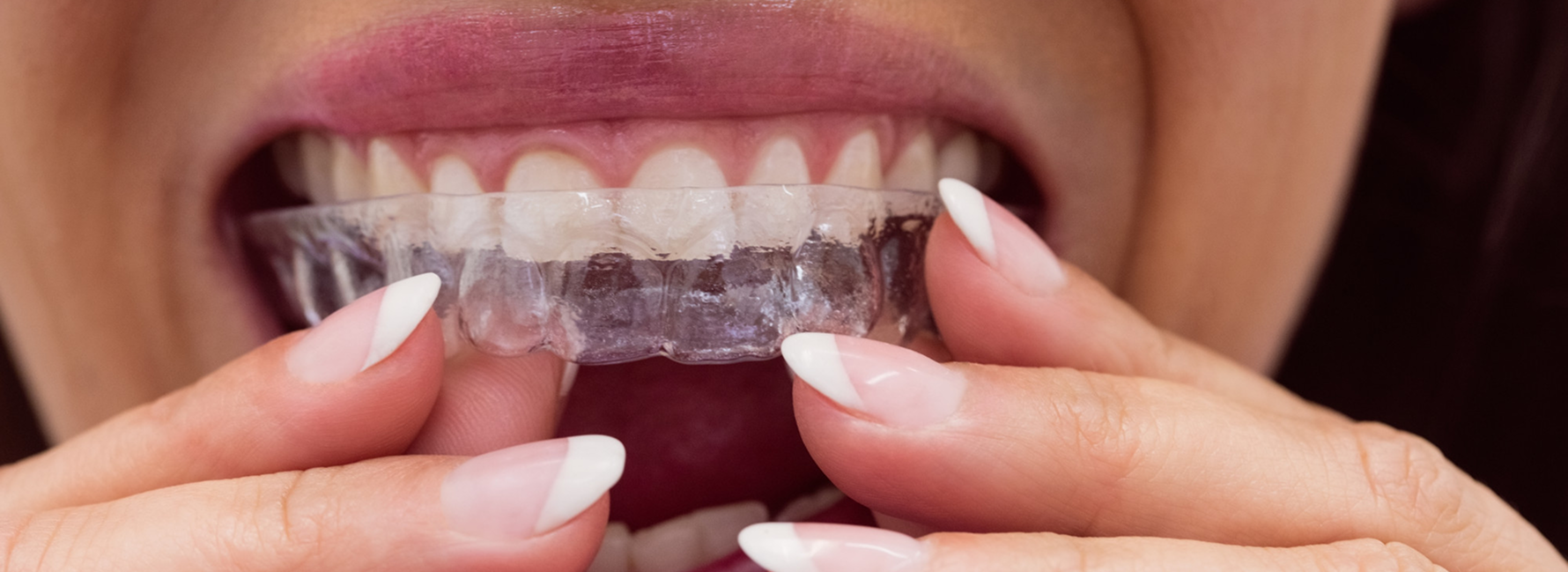
High-accuracy 3D scans help make the following:
If a tooth cannot be saved, your dentist may recommend tooth extraction in Beaumaris after assessing your individual needs. Following a root canal procedure, a dental crown may be recommended to help protect the tooth and support function.
Find The Cause Of Ongoing Tooth Discomfort Early
Modern endodontics aims to keep natural teeth in better shape, with less pain, and for a longer time. Today’s technology has transformed how Australian patients get root canal care, from digital imaging to laser-assisted cleaning. The Dental Family Beaumaris has a team of skilled endodontists in Beaumaris. We use cutting-edge technology and put the needs of the patient first to provide safe, minimally invasive treatment. If you have tooth pain or signs of an infection, our team can help you figure out the best course of action for your oral health. Contact us today to set up your appointment.
Modern root canal treatment is much less painful than older methods. Advanced anaesthesia, rotary tools, digital imaging, and laser-assisted methods make the procedure less painful. Many patients compare the experience to having a routine filling rather than a painful dental procedure.
Depending on the tooth and how bad the infection is, most root canal treatments last between 60 and 90 minutes. If your molars have more than one canal, you may need more time or appointments. Modern imaging and rotary technology make treatments more efficient while still being accurate and keeping teeth healthy for a long time.
Yes. Digital scanning, CBCT imaging, and laser-assisted disinfection are some of the technologies that make cleaning and diagnosing more accurate. These tools help dentists find hidden canals, lower the risk of infection, and make stronger final restorations, all of which lead to higher long-term success rates.
When a tooth is badly broken, structurally weak, or has a serious infection that can’t be treated in a predictable way, it may be best to remove it. In urgent cases of swelling or advanced decay, an emergency extraction may be needed to protect nearby tissues and oral health.